Book Club: Rich Dad Poor Dad

Welcome to the Nightowl Book Club—where faith, leadership, and caffeine collide. Each review explores timeless principles from great books and how they shape the way we lead, serve, and create unforgettable experiences in the world of coffee catering.
⚠️🚨 Warning—What NOT to Do:
Upon reading this book review—or hopefully this book—don’t make any rash changes. Don’t quit your job, don’t request a meeting with your boss, and frankly, avoid any dramatic reactions. Instead, start slowly and commit yourself to learning. From the day I finished this book to the day I founded Nightowl Coffee, five years passed. Learning is not a short-term goal; it’s a lifelong addiction. Education isn’t something that happens over a weekend, and it’s absolutely not something that happens in the American school system. Real learning is the product of curiosity, humility, and a dissatisfaction with "that's just the way it's always been." So, let’s get started...
Rich Dad Poor Dad: The Book That Changed How I Saw Money 📚💰
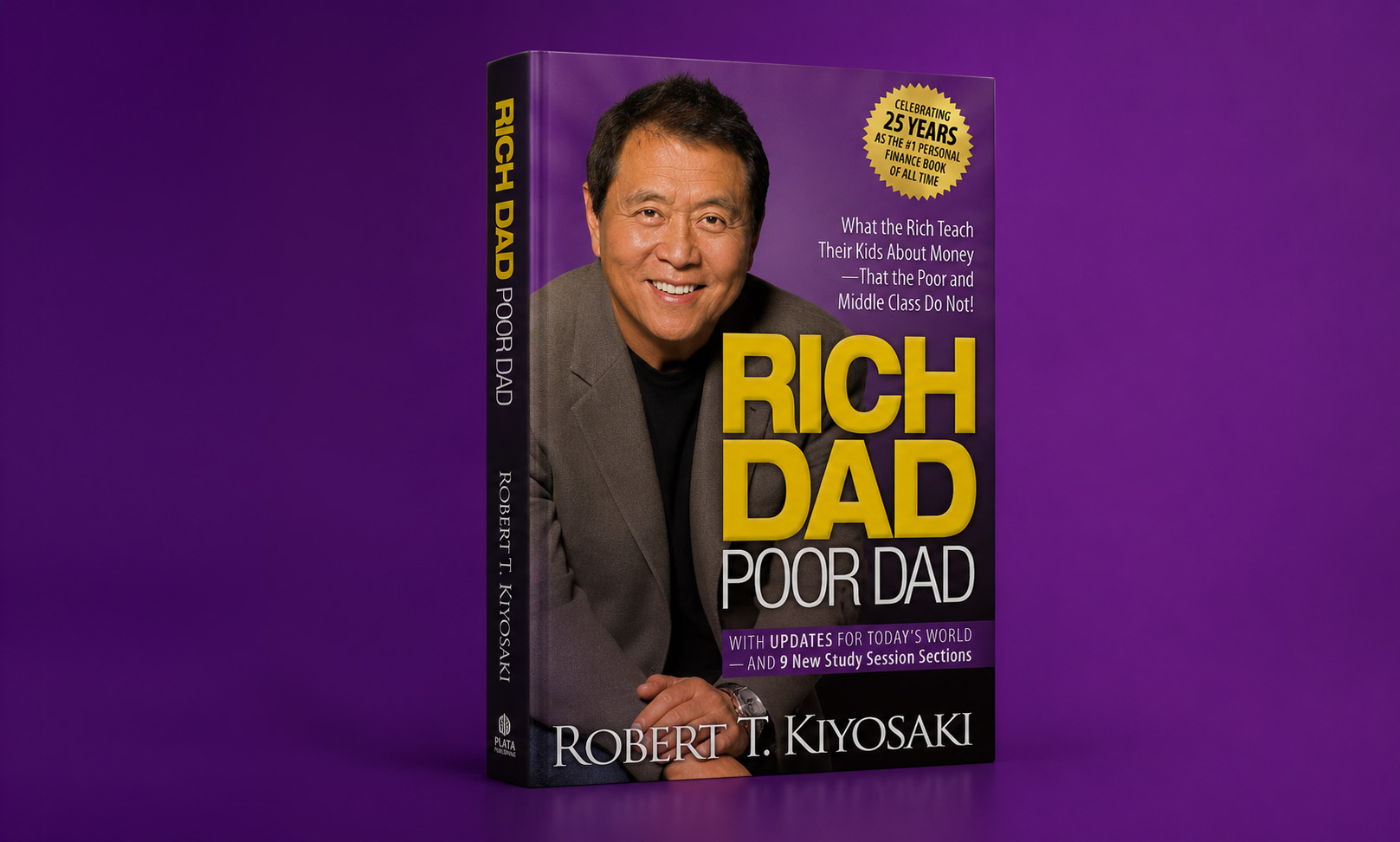
In 2012, I became interested in learning again after four years of college led to an unfulfilling sales job in the corporate world. That's when I read Rich Dad Poor Dad by Robert Kiyosaki for the first time. Back then, every concept in the book felt brand new to me: entrepreneurship, assets, cash flow, balance sheets, investing, etc. I had never been exposed to any of these terms before.
Thankfully, Rich Dad Poor Dad is referred to as a “beginner” business book—and that's exactly what I needed at the time. That's also exactly why this book is such an important read for every life-long learner. This book isn’t really about business. It’s about rewiring the way you think. I consider this book a foundational read for anyone who's hungry to grow in life and provide for their family. Although my copy is saturated with highlight marks, I boiled the entire book down to one question—a question that completely changed my perspective on how money works:
"Do you want to work for money—or have money work for you?"
1. Two People Can See the World Completely Differently 🌎👀
Rich Dad Poor Dad revolves around Kiyosaki’s two "father figures” in his life—one his own dad and the other his friend's dad. Robert's father viewed life through the lens of security, employment, and playing it safe. His friend's dad viewed life through ownership, investing, and building assets. Neither lacked intelligence or work ethic. They simply operated from different belief systems. One of the most important quotes in the book says:
“When it comes to money, most people want to play it safe to feel secure. So passion does not direct them. Fear does.”
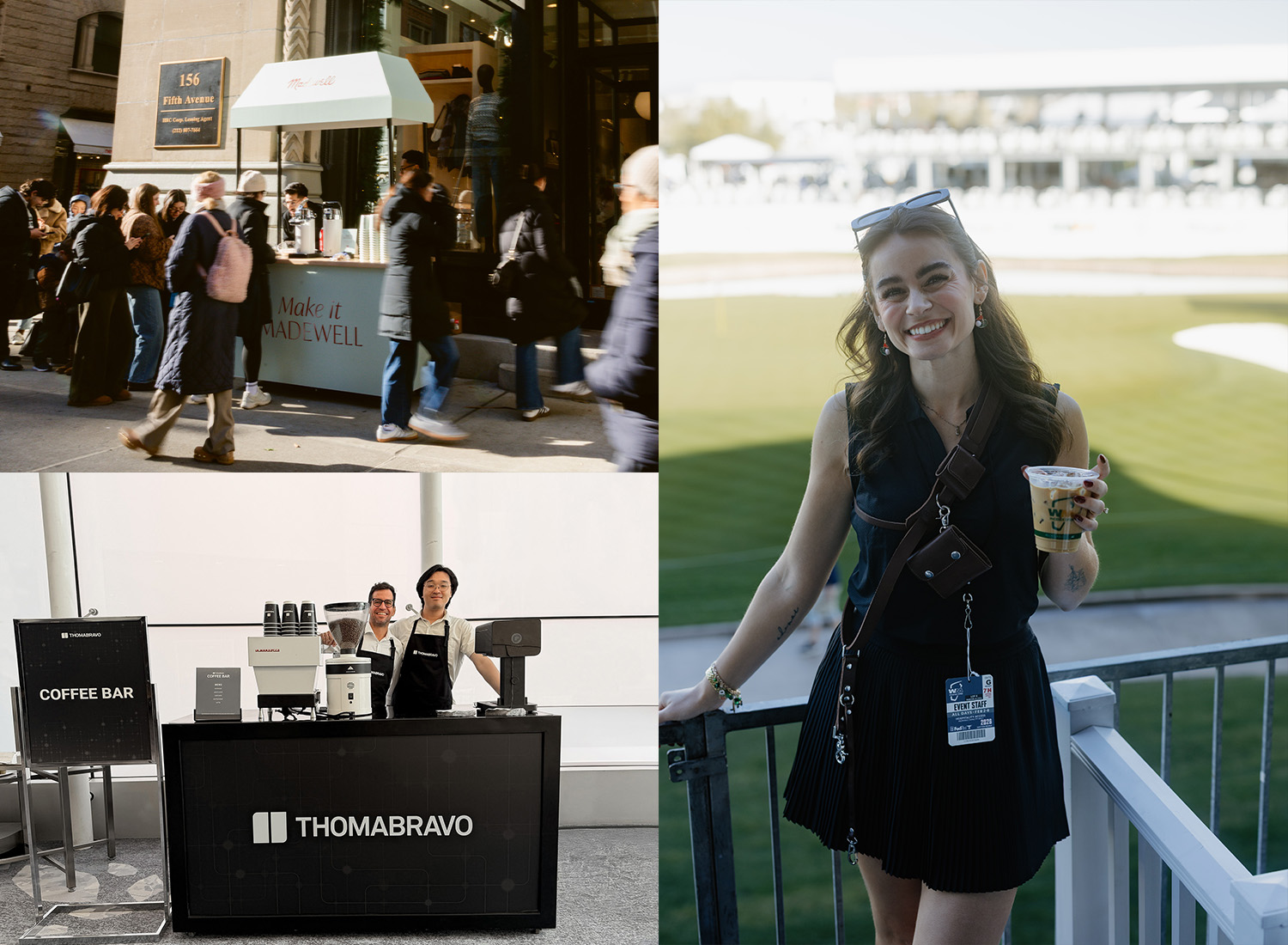
That line stuck with me for years. And today, it's the motivating factor that has our team operating coffee carts in Phoenix, Washington D.C., New York City, and San Francisco. Most people aren’t trapped by lack of opportunity—they’re trapped by fear disguised as safety and security.
2. Assets vs. Liabilities is the Simplest Powerful Lesson in Finance 📈📉
The most famous lesson in the book is also the simplest: “The rich acquire assets and the poor and the middle class acquire liabilities.”
Imagine you were given $5,000 dollars. What would you do with it? Well, probably the same thing you'd do if you were given $5,000,000. See, wealth isn't about money, it's about framework. A poor man would buy liabilities with $5,000 or $5,000,000. A rich man would buy assets. An asset puts money in your pocket. A liability takes money out. That framework completely changes how you view:
- Cars
- Homes
- Debt
- Spending
- Clothes
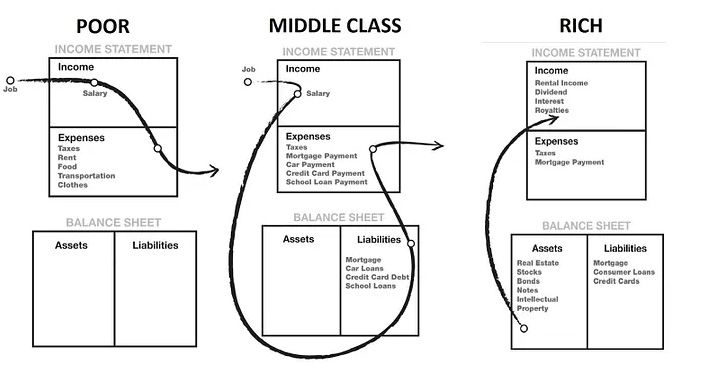
Another line that still hits hard: “More money seldom solves someone’s money problems. Intelligence solves problems.” That’s the hidden truth most people miss. Financial freedom rarely comes from income alone. It comes from education, ownership, and decision-making. This is why I started Nightowl' Book Club, because I'm passionate about intellectual curiosity and becoming a life-long learner.
3. Think Like an Owner (Champion) Before You Become One 🤔🏆
One of the most overlooked themes in Rich Dad Poor Dad has nothing to do with money, but instead, personal responsibility. Kiyosaki writes:
“Most people want everyone else in the world to change but themselves. Let me tell you, it’s easier to change yourself than everyone else.”
That’s the real message of the book: stop blaming the system, stop pointing at your boss or coworkers, stop waiting for permission, and start learning how to create value.
A great litmus test is to look around your current organization and ask yourself: What have I actually made better? Maybe you started the company culture photo wall. Maybe you rewrote outdated SOPs on your own time. Maybe you spent a weekend solving a problem everyone else ignored for months. That mindset—the willingness to think like an owner before you officially are one—is where everything starts to change.
🧠 Bonus Lesson: The Most Successful People See the World Differently
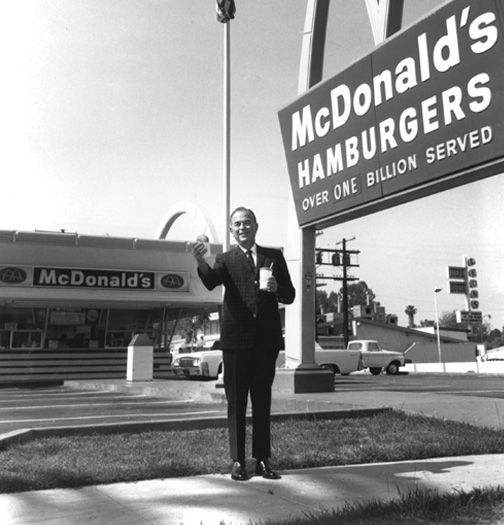
Chapter 3 includes one of my favorite stories, when Ray Kroc asked MBA students what business he was in. They answered “hamburgers."
Kroc laughed. “I’m not in the hamburger business. My business is real estate.”
That story perfectly captures the mindset shift this book creates: successful people often see the world differently than everyone else. And for me, that’s why this book mattered so much. It wasn’t just my first business book. It was the first book that made me realize there was another way to think entirely.
👉 Continue the Nightowl Book Club with our breakdown of Atomic Habits: Atomic Habits Review 📘⚡
👉 Read our thoughts on Unreasonable Hospitality and why hospitality changes everything: Unreasonable Hospitality Review ☕🔥